The AP Dojo Blog
Deep dives into key concepts, expert tips for mastering difficult topics, and strategies to help you ace your AP Economics exams.
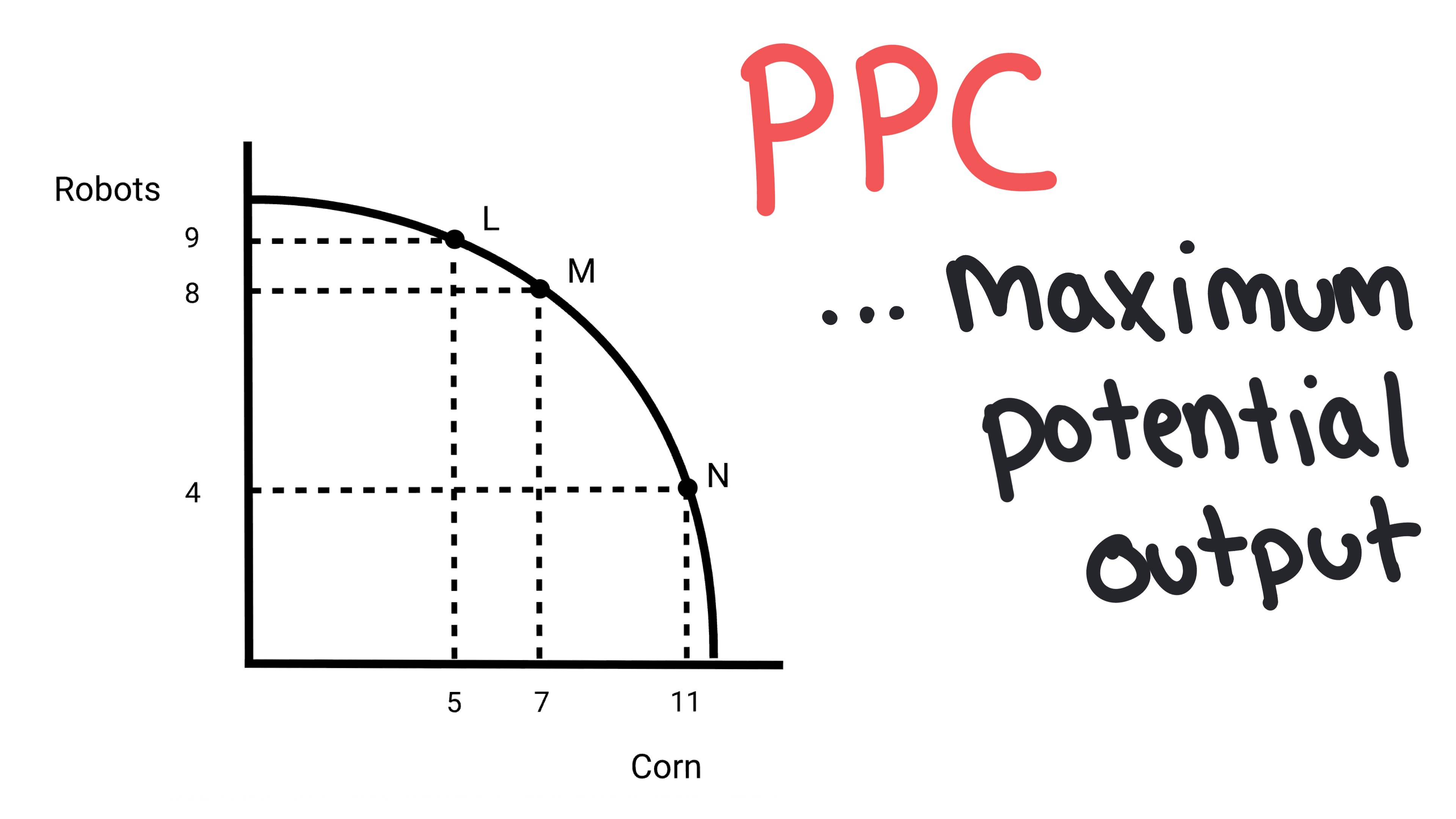
The Production Possibilities Curve (PPC)
The Production Possibilities Curve (PPC) shows the maximum combinations of two goods an economy can produce and illustrates scarcity, trade-offs, and opportunity cost.

Consumer Surplus, Producer Surplus, and Deadweight Loss Graph Explained
Consumer Surplus is the difference between what consumers would have paid for a product and what they actually pay. Producer Surplus is the difference between what producers would have sold for and what they actually receive, and Deadweight Loss represents the lost surplus when market efficiency is disrupted by taxes or other interventions.

Monetary Policy: Connecting the Money Market to AD-AS
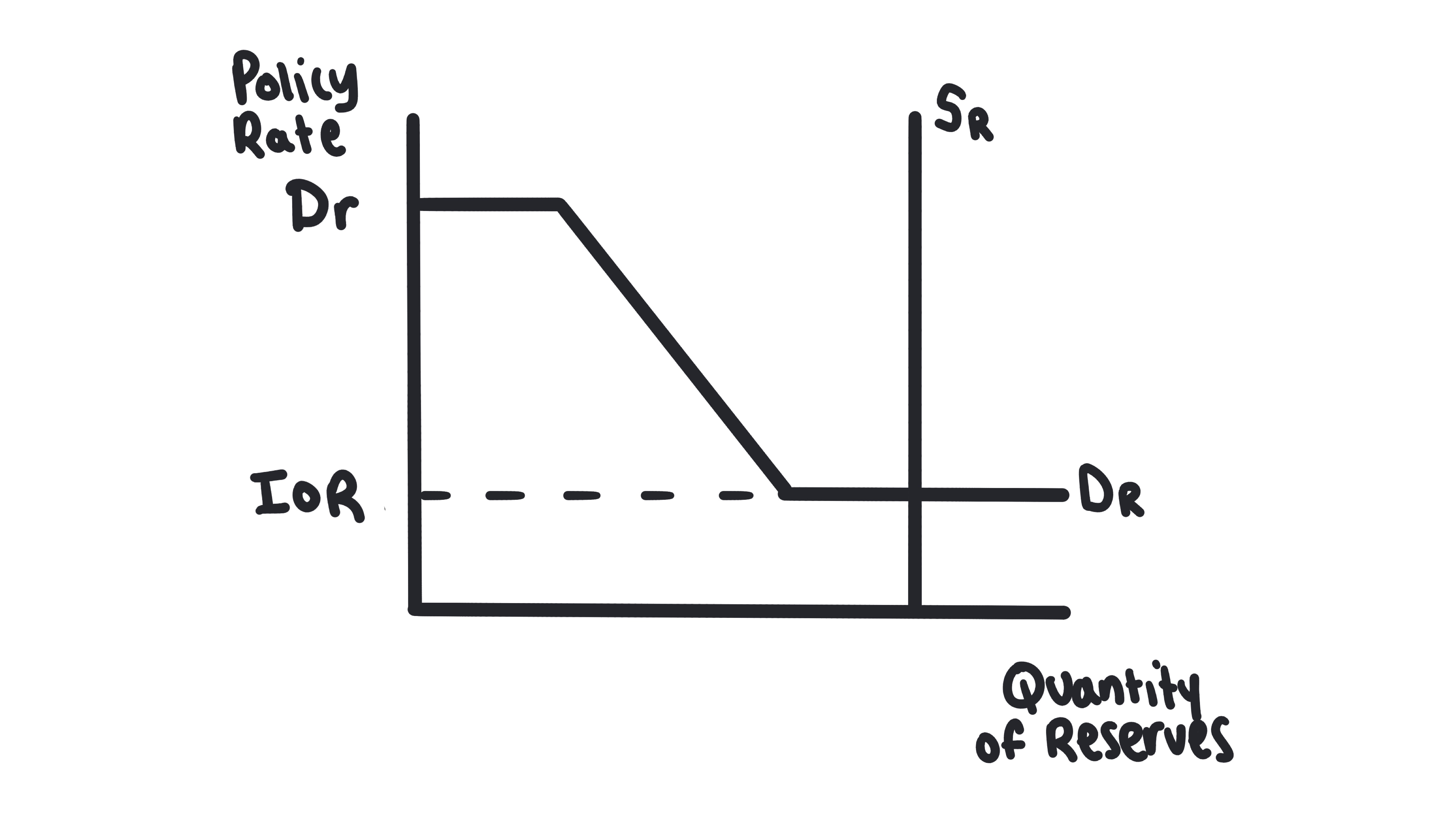
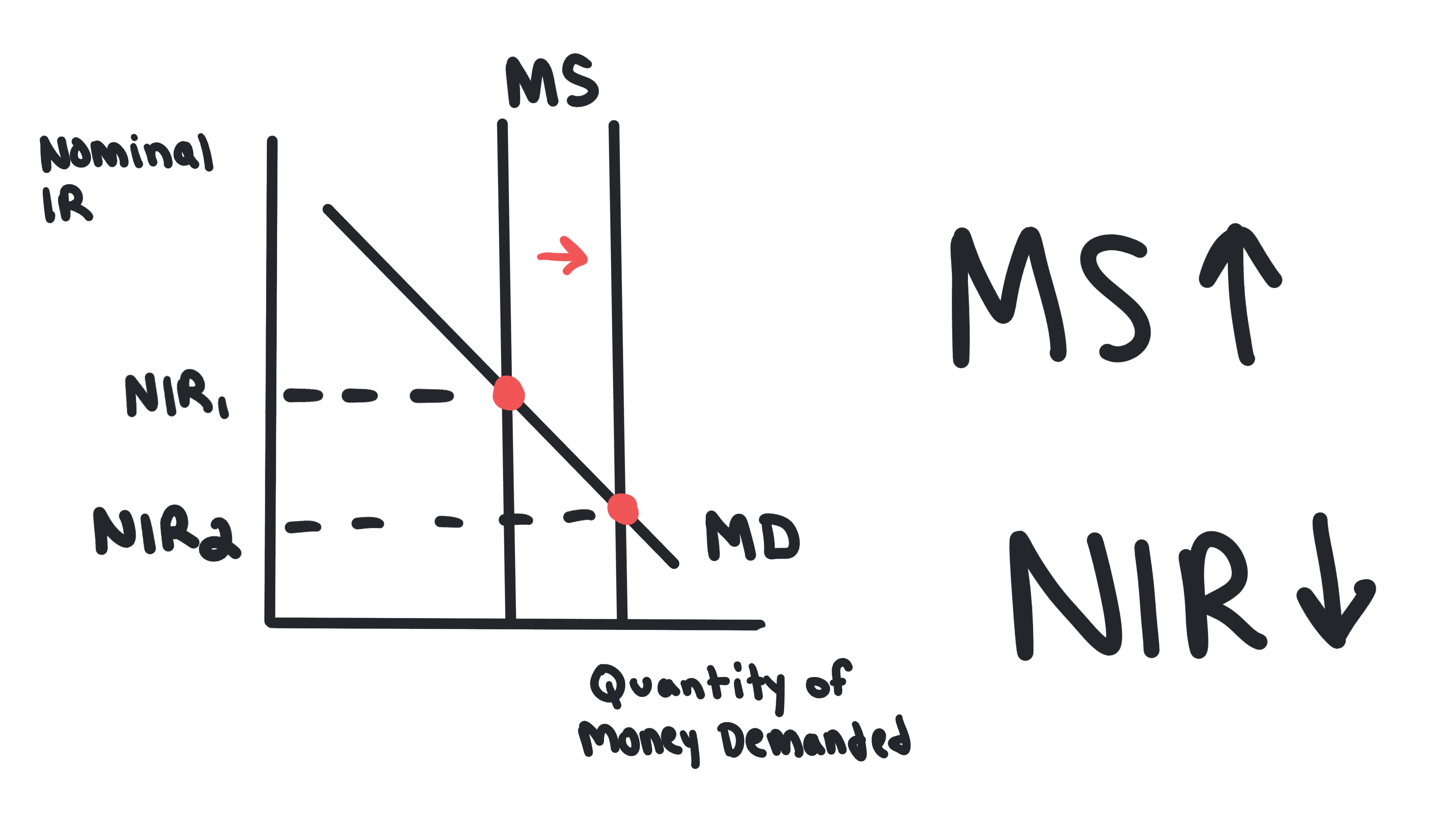
In AP Macroeconomics, drawing individual graphs is easy. The hard part is connecting them. The most common chain reaction you need to master is the Monetary Transmission Mechanism—how a shift in the Money Market influences Aggregate Demand.

The Foreign Exchange Market: Why Money is Just Like Cookies
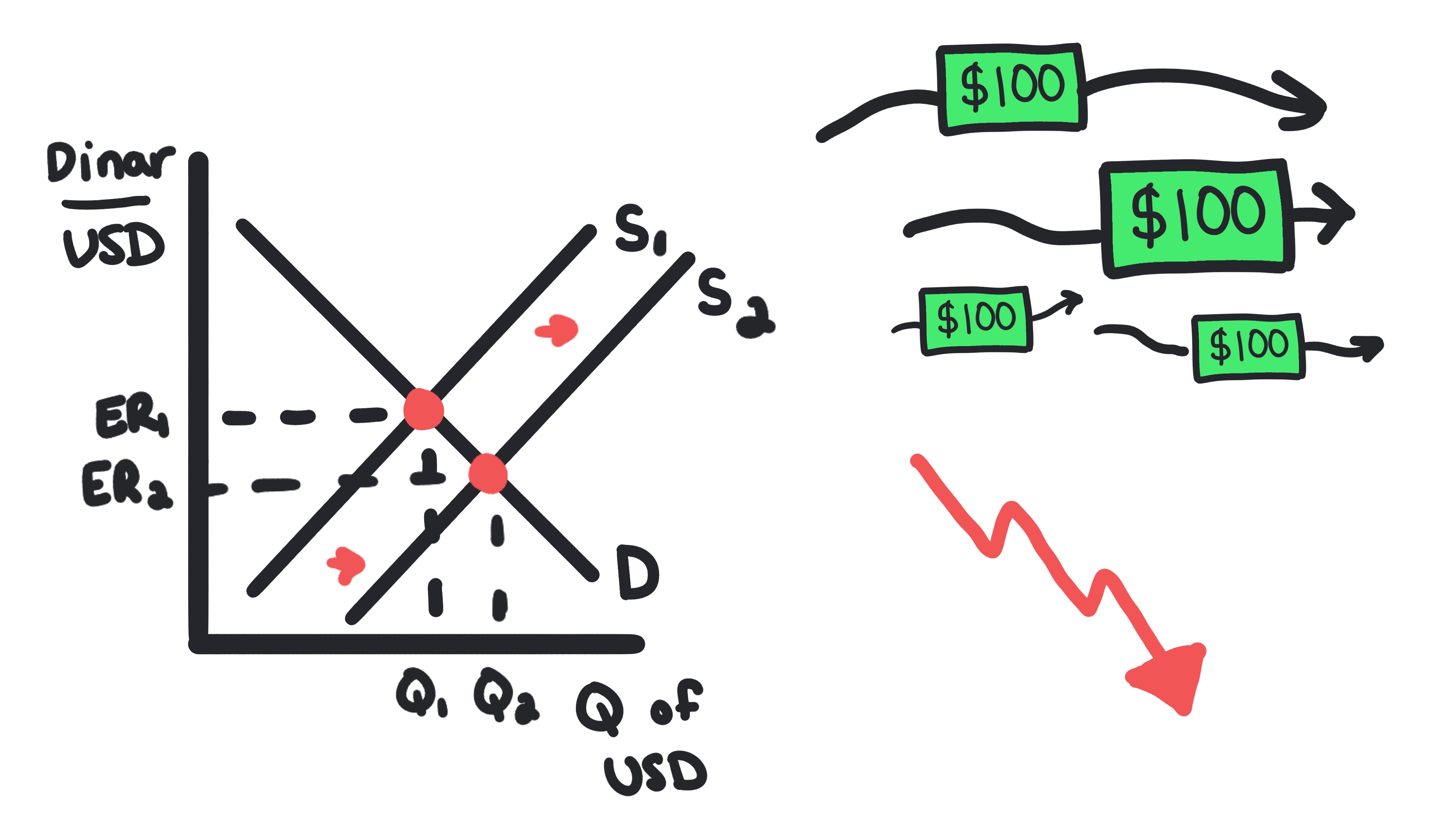
What shifts Demand for USD? (US Interest Rates, Demand for US Goods/Assets, Foreign Income). What shifts Supply of USD? (Foreign Interest Rates, Demand for Foreign Goods/Assets, US Income). The Rule of Opposites: If Currency A Appreciates, Currency B must Depreciate. How does interest rate differential affect Forex? (Higher US rates → Increased demand for USD → USD Appreciates).

Why Marginal Revenue Falls Faster Than Demand
Monopolies are the only firm in town. They can choose the price they set, but the law of demand still applies. Whatever price they choose will have an impact on the number of people willing to buy their product. This is why Marginal Revenue falls faster than Demand.

The Economy Fixes Itself: Long-Run Self-Adjustment
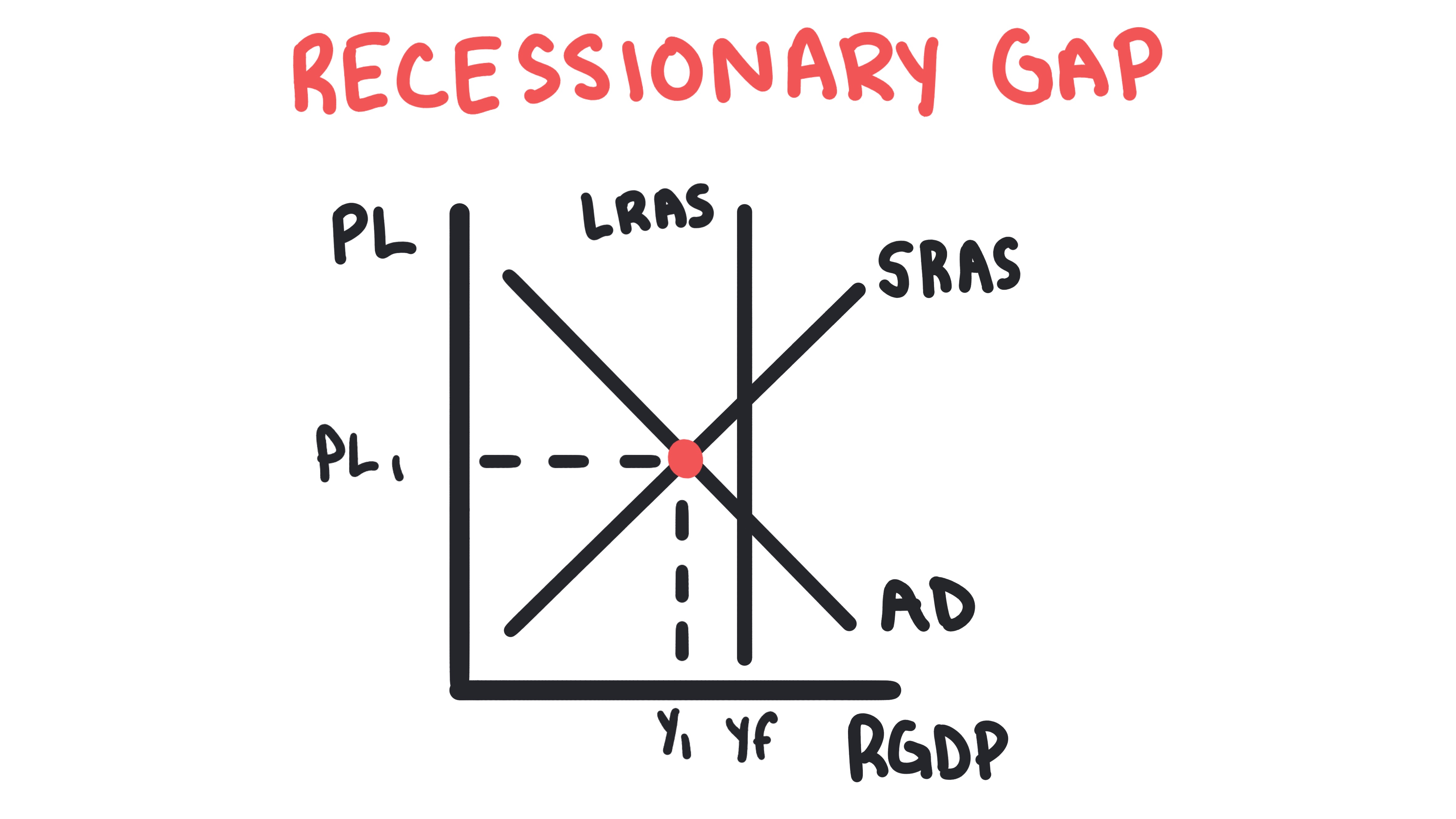
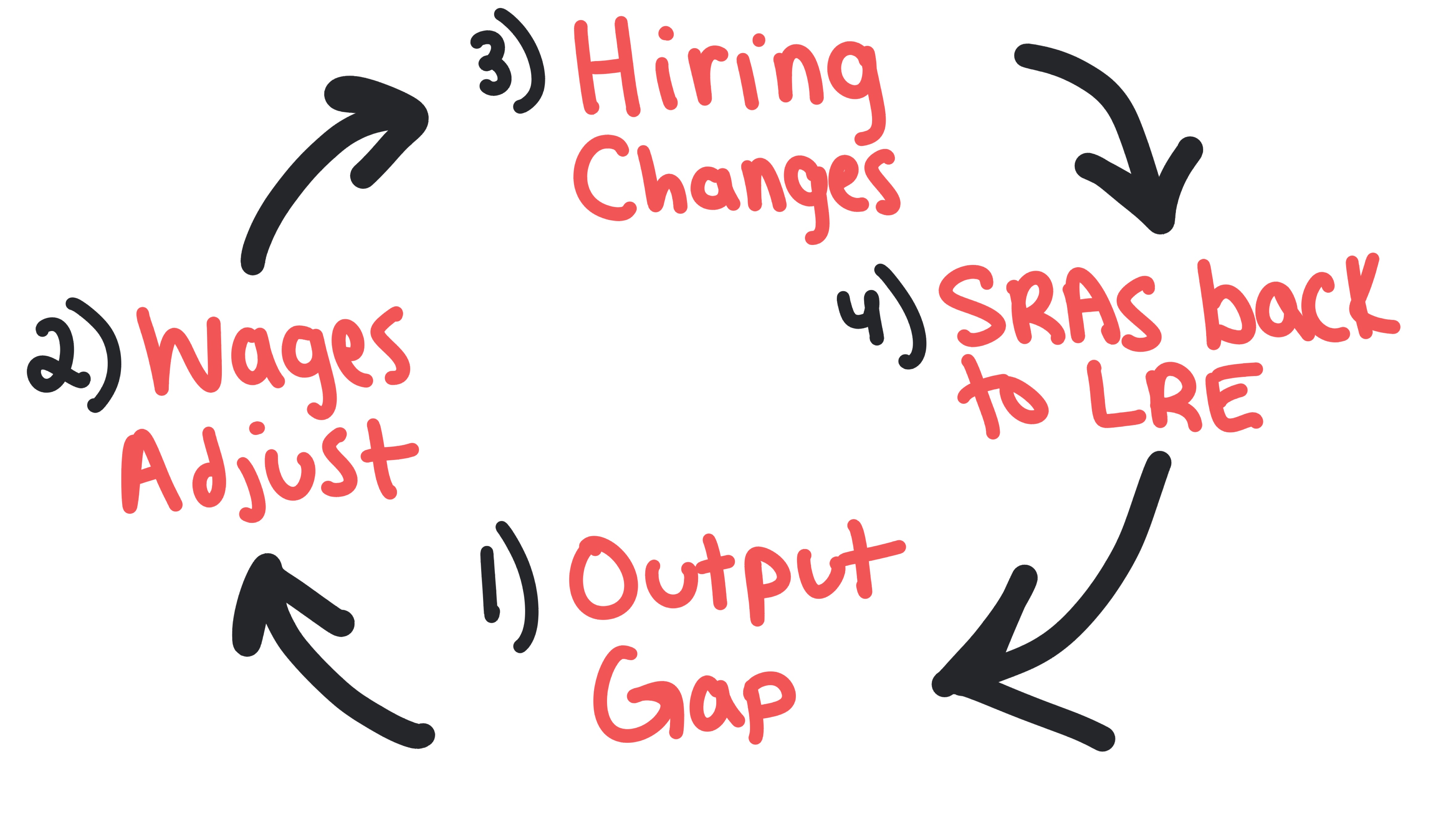
Does the government always need to intervene when the economy is in trouble? No. If left alone long enough, the economy has a built-in "Auto-Pilot" that steers it back to normal. This process is called Long-Run Self-Adjustment. It might seem confusing on a graph, but it actually follows the exact same 4-step cycle every single time.